How to Read a Peptide Certificate of Analysis
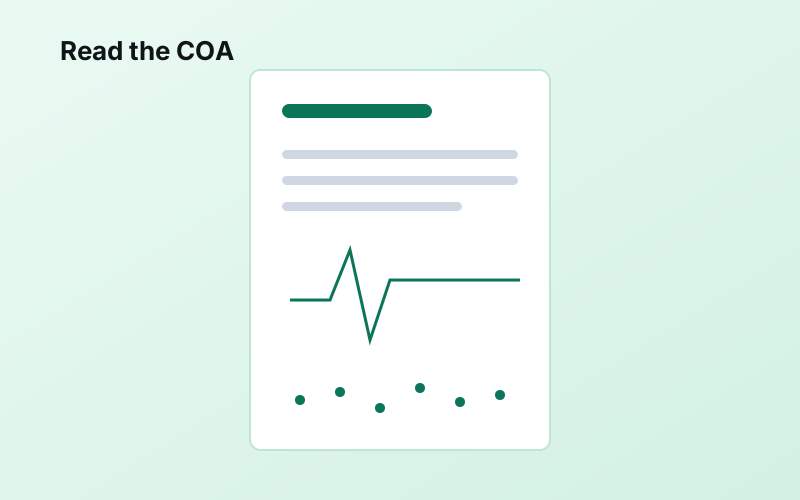
A certificate of analysis (COA) is a one-page summary of the tests a lab ran on a specific batch. Read top to bottom it answers three questions: is this the right molecule (identity), how clean is it (purity), and how much peptide is actually present (content). Here is how to work through each section.[1]
1. Identity — mass spectrometry
Identity confirms the main peak is the sequence you ordered. The usual tool is mass spectrometry (ESI-MS or MALDI-TOF), which reports an observed monoisotopic or average mass to compare against the theoretical mass of the sequence. A match within a few tenths of a Dalton is what you want to see.[2]
2. Purity — the HPLC chromatogram
Next is chromatographic purity, reported as the main-peak area percentage from RP-HPLC. Check that the method is stated (column, gradient, wavelength) and that the main peak is well separated from neighbours. We cover this number in depth in what peptide purity really means.
3. Content — net peptide
Net peptide content (often by amino acid analysis or nitrogen determination) states how much of the vial mass is actually peptide, with the balance being water and counter-ions. A vial can be high purity yet moderate content; both numbers matter when you calculate concentrations.[3]
4. The housekeeping fields
Finally, confirm the batch/lot number matches your vial, note the manufacture and retest dates, and check for appearance and any residual solvent results. A COA that cannot be tied to the physical lot in front of you is documentation for a different sample.
For research use only. Not for human or veterinary use. This article is educational and does not constitute analytical, medical, or regulatory advice.